
Fellows Academic Program

Post–Doctorate Fellowship 2026-27
|
Yossi Edry |
|
|---|---|
|
|
Yossi Edry is a historian specializing in American history, the history of capitalism, and social history, with a particular focus on their intersections. His doctoral dissertation examined the transformation of professional basketball and the changing public image of Black athletes in the United States between 1968 and 1992, showing how the NBA's rise as a global entertainment enterprise reshaped ideas about race, citizenship, and economic inequality. As a postdoctoral fellow at the Edmond & Lily Safra Center for Ethics, he is expanding his research on race, democracy, capitalism, and popular culture in the United States. His work explores the ethical and political dimensions of sport, media, and public life in modern American history.
|
| Eli Benjamin Israel |
|
|---|---|
|
|
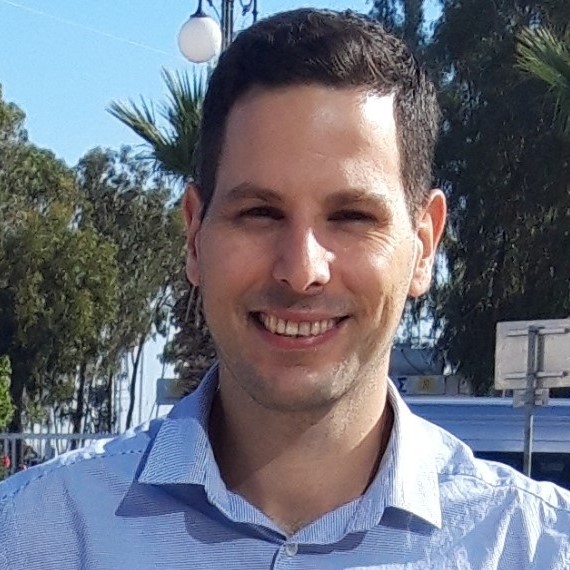
Eli Benjamin Israel is a Postdoctoral Research Fellow at the Edmond & Lily Safra Center for Ethics. He works in normative ethics, moral psychology, political philosophy, and Kant, focusing on the normative structure of interpersonal and institutional relationships. In his dissertation, "A Relational Theory of Trust," he explored the nature of this attitude and how relationships are not only the environment where trust arises and flourishes, but more importantly, they provide its normative content. In his view, to trust someone is to rely on them to follow the norms constitutive of the relationship one shares with them. His work has appeared or is forthcoming in venues such as The Philosophical Quarterly, Episteme, European Journal of Philosophy, Kantian Review, and Hypatia. At the Center, Eli turns this framework to trust and distrust in political life, across several levels: among citizens, between citizens and the institutions that claim to act on their behalf, and between states. His current projects examine civic trust and what its breakdown reveals about political polarization; the personalization of politics and its consequences for democratic cooperation; and the distinctive wrong of democratic betrayal, in which institutions turn citizens' own extended agency against them. This work is to be part of his book project, Trust Issues, and asks how distrust destabilizes liberal democracies and what might rebuild the relationships it corrodes. Before the Center, Eli earned my PhD in philosophy at Temple University, and a BA and MA at the Hebrew University of Jerusalem. Alongside his research, he has held leadership roles at the American Philosophical Association, including Chair of its Graduate Student Council, and he leads the Sexual Ethics Circle and collaborates with public-facing research networks on consent and the ethics of online dating. More at www.eli-benjamin.com |
| Bingchen Liu |
|
|---|---|
|
|
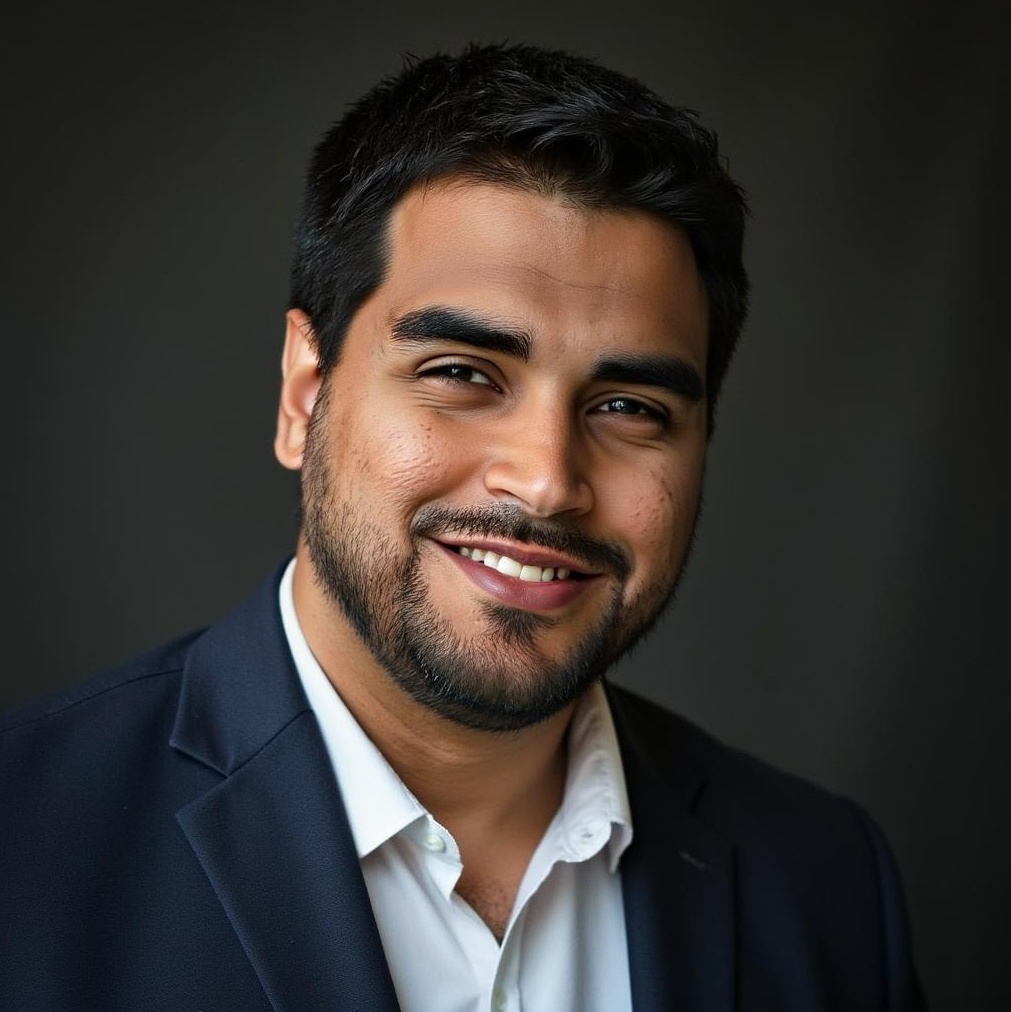
Bingchen Liu completed his Ph.D. in Political Science at the Hebrew University of Jerusalem. His dissertation is titled "Political Personalization and Personalism in Non-Democratic Regimes: Cases in the Middle East and North Africa." In 2023–2024, he was a visiting doctoral researcher at Sciences Po Paris. His research examines political personalization, personalist rule, and the transformation of ruling elites in authoritarian regimes, with empirical focus on Turkey, Egypt, Tunisia, and Saudi Arabia. He also holds an M.A. in Israel Studies from the Hebrew University of Jerusalem. His master's thesis, on Arab politics in Israel, was awarded the Bella and Baruch Tal Prize. He earned his B.A. in Arabic and Islamic Studies from Beijing Foreign Studies University. He writes regularly on Middle Eastern affairs for Chinese research institutions and media outlets. As a postdoctoral fellow at the Edmond & Lily Safra Center, he is extending his research to personalism in international relations, with a focus on the interactions between the U.S. President and the Israeli Prime Minister in the regional crisis that began on 7 October 2023. |
| Rafi Reznik |
|
|---|---|
|
|
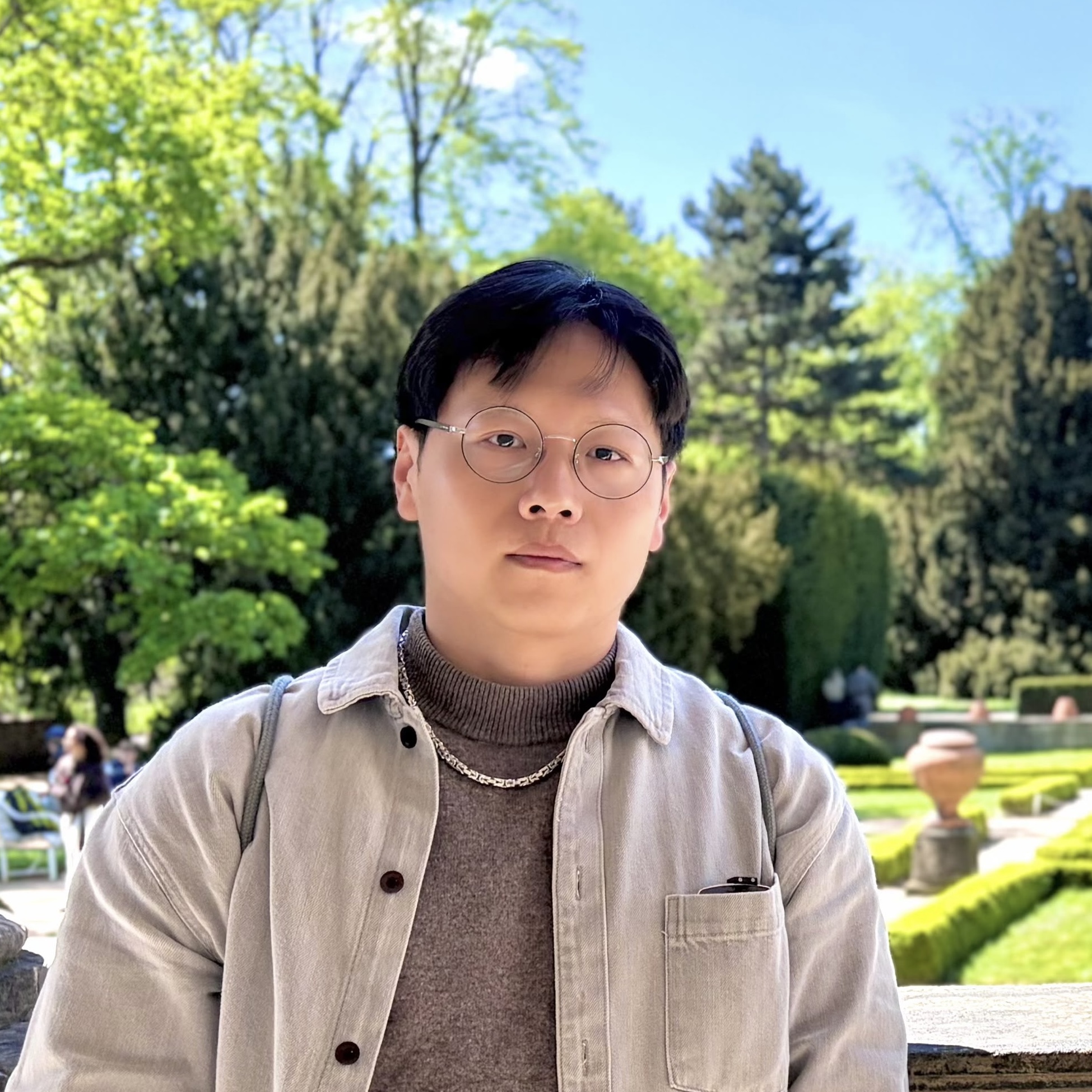
Rafi Reznik is a legal scholar working primarily in criminal law. With an intensely interdisciplinary approach, Rafi’s research brings into conversation normative criminal jurisprudence in the analytic tradition with the more critical discourses of the interpretive humanities and social sciences. During his Safra fellowship, Rafi will study the organization of violence in Israel-Palestine, with a focus on the legal regimes governing self-defense, militias, and firearms, from conceptual, comparative, historical, and doctrinal perspectives. Rafi has taught courses on criminal law theory at the Hebrew University Faculty of Law and at Georgetown University Law Center, where he also earned his doctorate (SJD). His dissertation, Self-Defense: An Insidious Institution, analyzed inter-personal self-defense, particularly in the United States, as a socio-political rather than a moral problem. Rafi’s award-winning scholarship has been quoted in leading American criminal law casebooks, cited by the Supreme Court of Israel, and translated into German. He also regularly contributes to legal blogs in both the U.S. and Israel. Before joining the Edmond & Lily Safra Center, Rafi was a postdoctoral fellow at the Polonsky Academy for Advanced Study in the Humanities and Social Sciences at the Van Leer Jerusalem Institute. His public outreach efforts include media interviews (e.g. Al Jazeera), invited expert input on violent speech on social media (e.g. Meta), and talks with NGOs and activist groups (e.g. Standing Together). |

| Dror Sharon |
|
|---|---|
|
|
Dror Sharon is a historian of citizenship, migration, childhood and the family in modern Europe. She is interested in informal structures of democratic citizenship, in its boundaries and conditions for admission, and in notions and practices of civil responsibility. At the Safra Center, she will develop a new research project exploring the role of kinship networks in refugee relief and advocacy in 20th century Britain. Dror’s PhD dissertation examined the evacuation and reception of thousands of unaccompanied refugee children from Spain and Nazi Germany in Great Britain between 1937-1951. Situating these schemes within the wider historical context of transnational child evacuation in the 20th century, the study examines the interplay between humanitarian and political action, the lasting consequences of emergency relief measures, and the temporalities of waiting, preparing and training for adult citizenship. Dror wrote her PhD dissertation at Tel Aviv University. She holds an MPhil in Political Thought and Intellectual History from the University of Cambridge and a BSc in International Politics from City St George’s, University of London.
|
| Barak Zur |
|
|---|---|
|
|
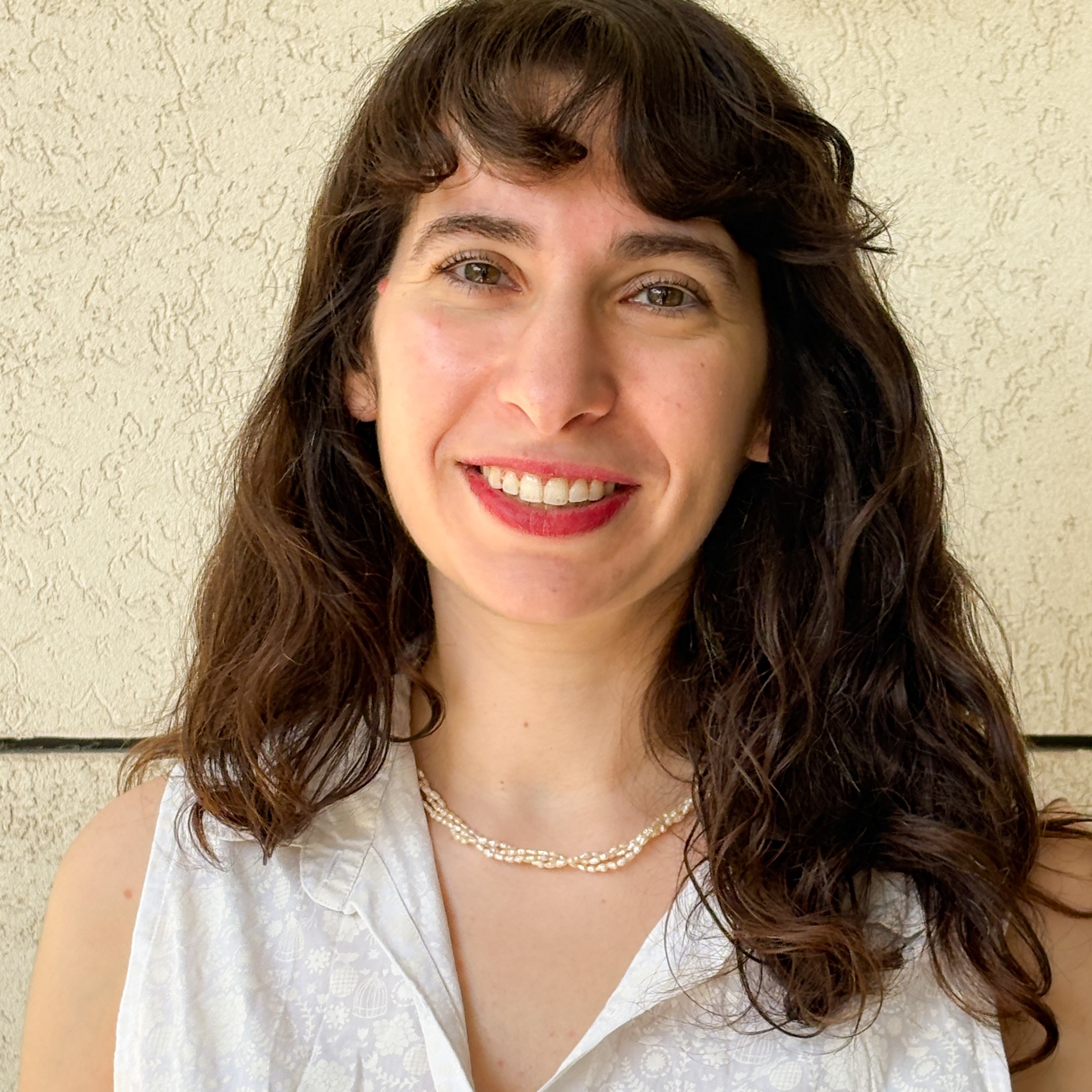
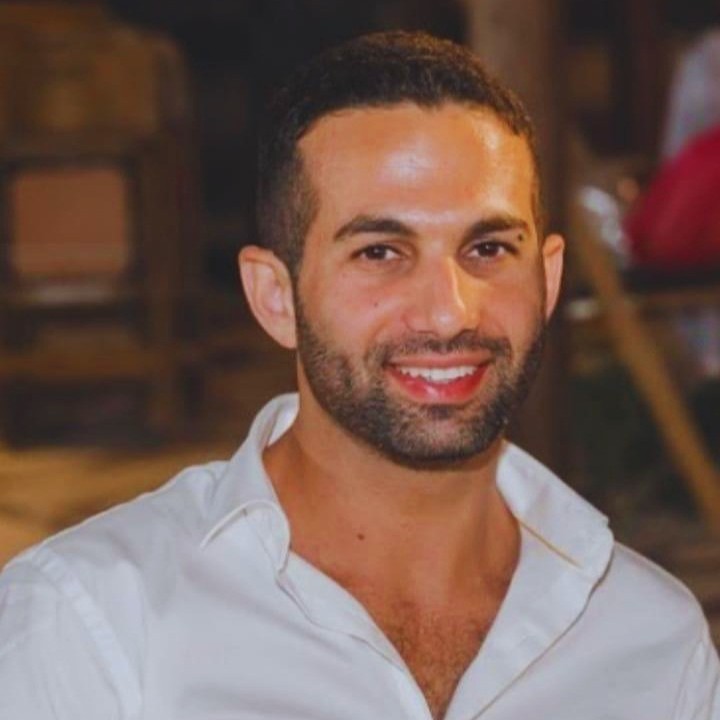
Barak Zur has completed his PhD in Political Science at Tel Aviv University. His research interests lie at the intersection of comparative political economy, migration studies, and political behavior. His dissertation examines how migration opportunities shape the political attitudes and behavior of individuals who remain in their home countries. His academic work also draws on computational text analysis and large-scale data harmonization. He holds a BA in Philosophy, Political Science, and Economics (PPE) from Tel Aviv University, as well as an MA in Economic History and an MSc in Economics from the University of Bayreuth in Germany. He was a guest researcher at the Cluster of Excellence “The Politics of Inequality” at the University of Konstanz and at the Centre for Political Research at Sciences Po (CEVIPOF) in Paris. |
| Keren Winter Dinur |
|
|---|---|
|
|
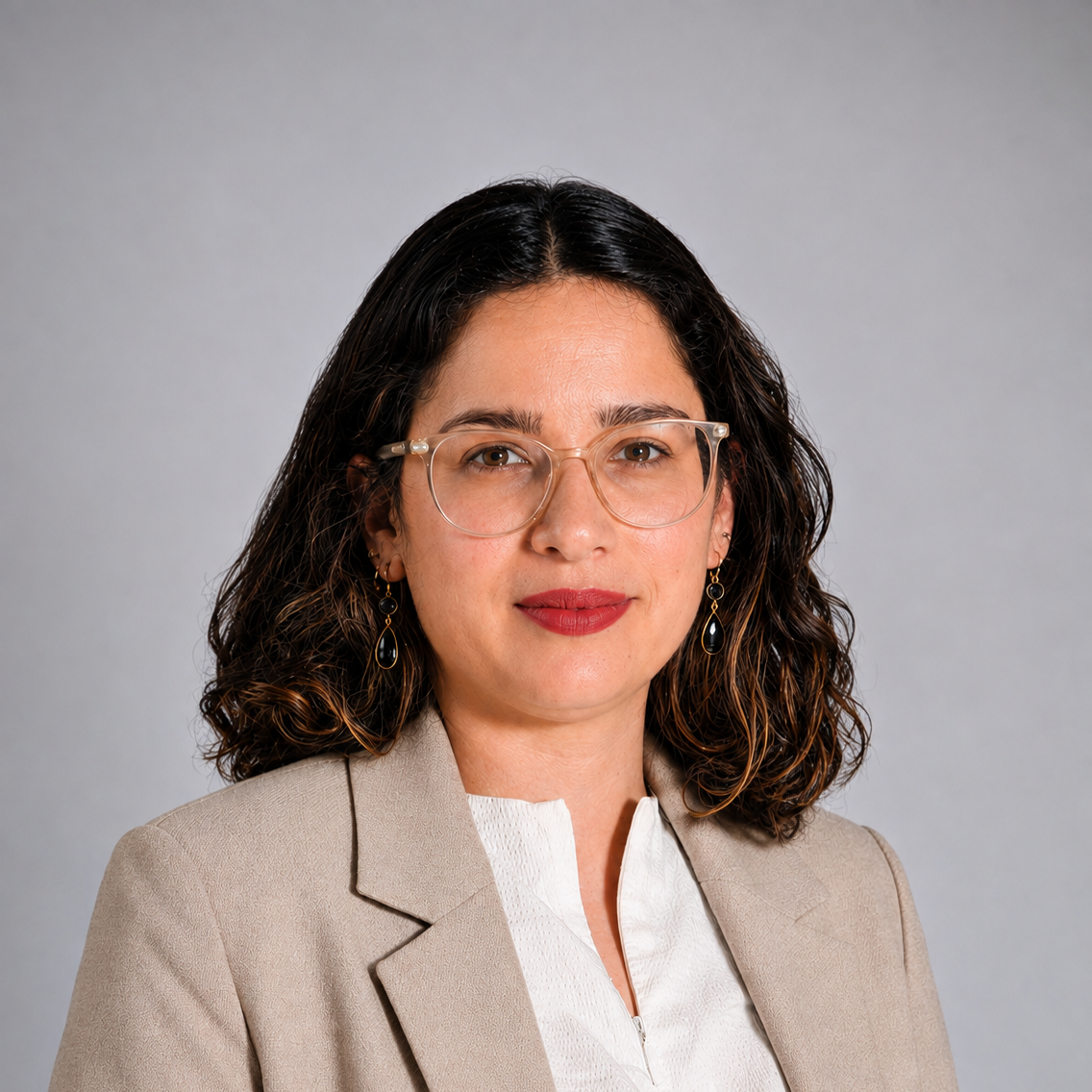
Keren Winter-Dinur conducted her doctoral research in Political Science at the Hebrew University of Jerusalem. During her doctoral studies, she was a fellow at the Truman Institute for the Advancement of Peace and the Swiss Center for Conflict Research. She also taught in the International MA Program in Conflict Research, Management and Resolution. Her research examines how political actors imagine and construct the future in protracted conflicts, and how these shape peace processes, conflict transformation, mediation, and political change. Her doctoral research developed a new framework for understanding how peace agreements construct political futures and how these influence post-conflict trajectories. Alongside her comparative research, she conducts field-based research with civil society organizations, examining how different communities understand and negotiate the Israeli–Palestinian conflict and its possible futures. At the Edmond & Lily Safra Center for Ethics, her postdoctoral research explores how individuals’ perceptions of the future shape political attitudes, democratic legitimacy, and support for conflict transformation in deeply divided societies. |
| Itamar Yakir |
|
|---|---|
|
|
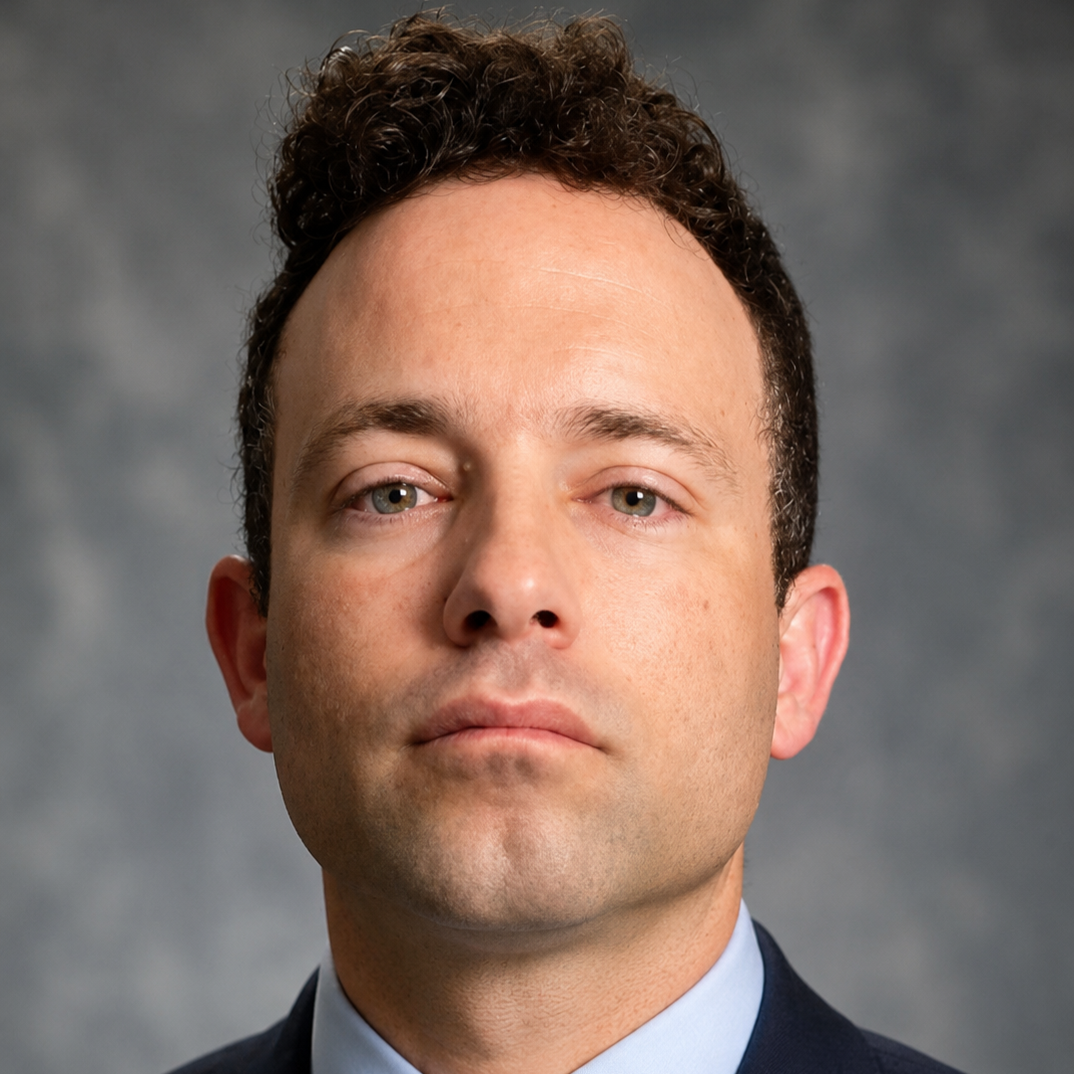
I received his PhD from the Hebrew University school of Public Policy, where I also obtained my B.A. (PPE) and M.A. (Public Policy). I spent two years as a postdoctoral associate at Yale University where I was affiliated with the institute for Social and Policy Studies, and the Identity and Conflict Lab. I study Political behavior and political economy, with a particular focus on intergroup relations, social norms, and democratic norms; and how people’s perceptions of these norms and their perceptions of political facts, impact their attitudes toward others. I also study the political economy of Israeli localities. |
Doctorate Fellowship 2026-27
|
Eli-Pinhas Golan |
|
|---|---|
|
|
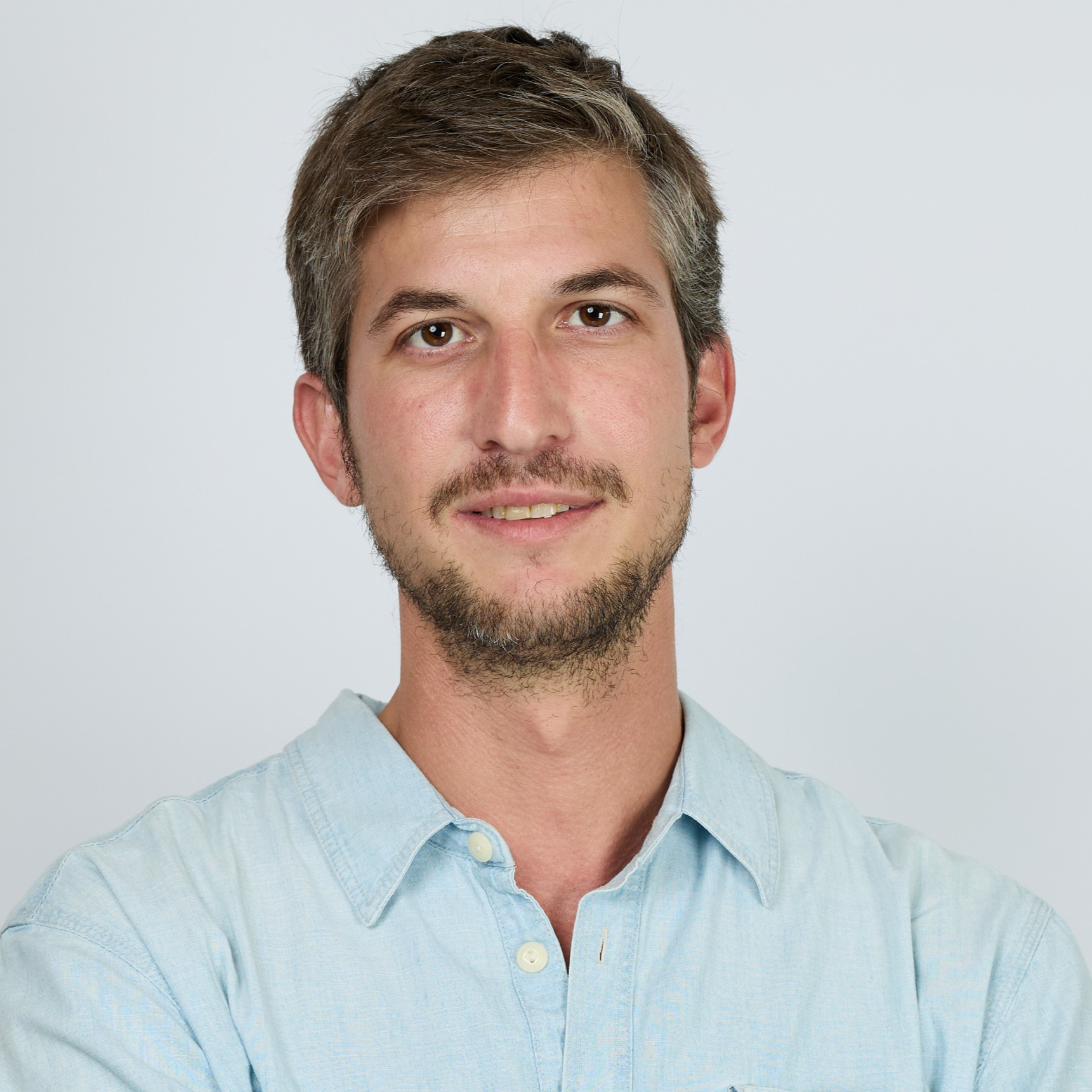
Eli-Pinhas Golan is a PhD candidate in Philosophy at Tel Aviv University. His doctoral research investigates the relationship between time and truth, examining its implications for the current crisis of democracy. A graduate of the Haredi education system, Eli-Pinhas holds a BA in Mathematics and Philosophy from the Hebrew University of Jerusalem and an MA in Philosophy from Tel Aviv University. He is also passionate about and experienced in public philosophy. |
|
Gilad Nizan |
|
|---|---|
|
|
Gilad Nizan is a PhD candidate at the School of Political Science, Government and International Affairs at Tel Aviv University. His doctoral research examines the political economy of professional football from a comparative perspective. It seeks to explain how moments of crisis create opportunities for institutional change and how these changes produce distinct models of neoliberal football governance across national contexts. His work draws on institutionalist and constructivist theories and employs qualitative methods. He is especially interested in the role of ideas in institutional change and in political-economic thinkers such as Karl Polanyi. Gilad is supervised by Prof. Ronen Mandelkern, with Prof. Mark Blyth and Prof. Henk Erik Meier serving on his dissertation committee. He is also involved in several research projects examining how media framing of macroeconomic policy rules shapes public opinion and the relationship between technocrats and populist governments. Gilad holds a BA in Interdisciplinary Studies from Tel-Hai Academic College and an MA in Political Science from Tel Aviv University, both awarded with distinction. |

|
Snir Schwartz |
|
|---|---|
|
|
Snir Schwartz is a doctoral candidate at the Zvi Meitar Center for Advanced Legal Studies, Buchmann Faculty of Law, Tel Aviv University, with research interests in international law, climate law, and global governance, focusing on their intersections. He earned his LL.B. from Tel Aviv University and holds a B.A. in Multidisciplinary Studies in the Social Sciences and an M.A. in Business Administration and Natural Resource Management from the University of Haifa. His research examines the climatic consequences of global military activity in light of international law, centering on the military emissions exemption embedded in the Kyoto Protocol and perpetuated in the Paris Agreement. The research argues that this exemption has created a legal-epistemic blind spot: absent systematic data on military emissions, epistemic institutions such as the IPCC and the UNFCCC are prevented from accurately describing the state of the global climate, and this absence of knowledge, in turn, undermines the capacity of democratic institutions to protect basic human rights, including the rights to life, health, and a sustainable environment. On this basis, the research offers normative justifications for abolishing or substantially narrowing the exemption. |